Neon and the Psychology of Colours: How Neon Colours Affect Human Mood and Behaviour
Introduction:
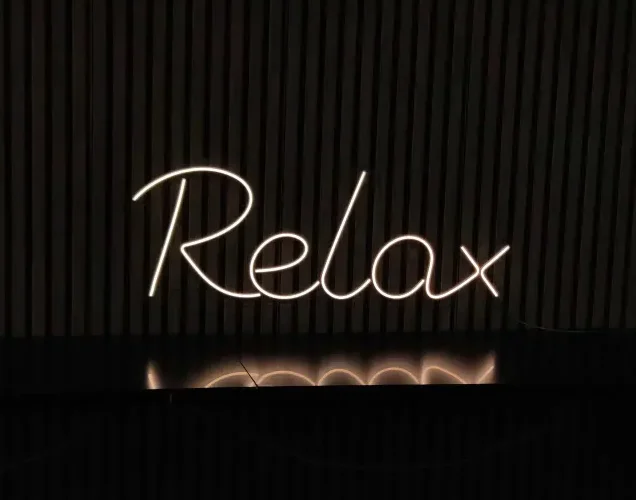
Colours have an extraordinary ability to influence our mood, emotions, and behaviour. In today’s article, we will explore a specific area of this phenomenon—neon colours. Neon lights, with their intense and bright hues, are commonly present in our environment, from neon advertising signs to city lighting. We will examine the psychological effects of these intense colours on human well-being and behaviour.
The Psychology of Neon Colours:
Neon colours, such as intense red, bright green, vivid yellow, or electric blue, can provoke various emotional reactions in people. According to colour psychology, each colour can have its unique meaning and impact on our behaviour.
- Red: Neon red is often associated with energy, passion, and strength. It is a colour that can stimulate and increase levels of physical and emotional arousal. In extreme cases, it may also evoke feelings of aggression or anger.
- Green: Neon green is often linked to nature, calmness, and harmony. It can have a relaxing effect and help reduce stress. Additionally, green is often associated with a sense of balance and renewal.
- Yellow: Neon yellow symbolizes joy, optimism, and energy. This bright colour can boost mood and elevate energy levels. However, an excess of yellow light may lead to overstimulation or feelings of anxiety.
- Blue: Neon blue is commonly connected to calmness, coolness, and trust. It is a colour that can help reduce stress and ease emotional tension. However, in some cases, it may also induce feelings of melancholy or sadness.
The Impact of Neon on Behaviour:
Neon colours not only evoke different emotions but can also influence human behaviour in various contexts.
Neon in urban spaces:
Neon lighting in urban areas can affect the behaviour of passersby. For example, intense neon light may increase activity and movement in a given area, while more subdued neon lighting may have a relaxing effect and encourage a slower pace.
Neon in advertising:
Neon advertisements can have a significant impact on consumer behaviour. Intense, neon colours can attract attention and increase memory retention of the ad.
Conclusion:
Neon colours have a powerful impact on human mood and behaviour. From energetic red to calming blue, each neon colour can elicit different emotions and reactions. Understanding the psychological effects of neon colours can be crucial for designers, marketers, and urban planners in creating environments that promote positive experiences and behaviours.